
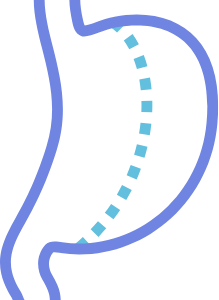
Sleeve gastrectomy — also known as gastric sleeve surgery — is one of the most common and effective weight loss procedures available today. During the operation, about 75–80% of the stomach is removed, leaving a small, banana-shaped “sleeve.” This smaller stomach holds less food, so you feel full much sooner.
But it’s not just about portion size. The surgery also reduces the levels of ghrelin — the hormone responsible for triggering hunger — so many patients find their appetite decreases significantly after surgery. This combination of reduced capacity and lower hunger makes it a powerful, long-term tool for weight loss.
The procedure is performed laparoscopically (keyhole surgery) under general anaesthesia. Most patients go home the same day or within 24 hours, and begin losing weight almost immediately.
You’ll meet with our surgical team for a full assessment. This includes reviewing your medical history, BMI, and overall health. You may be asked to follow a pre-operative diet for 1–2 weeks to reduce the size of your liver, which makes surgery safer and easier.
Your surgeon makes a few small keyhole incisions and uses a camera and precision instruments to remove approximately 75–80% of the stomach. The remaining stomach is shaped into a sleeve and sealed with surgical staples. The entire procedure typically takes 60–90 minutes.
Most patients are up and moving within a few hours of surgery. You’ll begin on clear fluids and gradually progress to pureed, soft, and then regular foods over several weeks. Light daily activities can typically resume within 2–3 weeks, and most patients return to work within 1–2 weeks for desk jobs.
Our team will conduct a thorough assessment during your consultation to confirm that sleeve gastrectomy is the right fit for your individual needs and health profile.
Like all surgical procedures, sleeve gastrectomy carries some risks. It’s important to us that every patient feels fully informed before making their decision — and we take time to walk through this with you in detail during your consultation.
Common short-term risks include nausea, acid reflux, and the general risks associated with anaesthesia. Longer-term considerations include nutritional deficiencies, which are easily managed with daily vitamin and mineral supplements and regular follow-up appointments with our team.
It’s also important to understand that sleeve gastrectomy is a permanent procedure — the removed portion of the stomach does not grow back. This is why patient education and readiness are central to everything we do at Revive Bariatric Health.


Want to know what procedure is right for you? Book your appointment and download our intake form today.
This tool is for general informational purposes only and is not medical advice. See your healthcare provider for personalized guidance.